Showing posts with label Encanto. Show all posts

Monday, October 5, 2026

LDS Geeks Podcast #75: Disney Songs (6)


It's hard to believe that we've already been at this two years. To celebrate two years and seventy-five episodes, Russell and I decided to center this podcast episode on Disney songs you could use for mission preparation (because of the two years). We believe in the power of music. And we believe in over-analyzing every note of geekdown through a spiritual lens. Hopefully you get something enlightening from our Disney ramblings, whether you're a prospective missionary, returned missionary, or member missionary.

--Spencer

PS: Pardon our physical therapy metaphors.


Listen to Episode 75 on Spotify and Apple Podcasts.

Subscribe on Spotify, Apple Podcasts, and YouTube

Check out Spencer's recent content: click here

Check out Russell's recent content: click here

Show notes:

00:12 - Introductions
01:26 - Russell's Recommendation: "Healer" by McKenna Hixon
        Listen on YouTube
04:25 - Spencer's Recommendation: Hevy app
        Available on Google Play and App Store
05:51 - 75th Episode Stats
15:25 - Disney Mission Prep songs
19:05 - Honorable Mentions:
        "I'll Make a Man Out of You" (Mulan)
        "A Girl Worth Fighting For" (Mulan)
        "Go the Distance" (Hercules)
20:12 - "Zero to Hero" (Hercules)
24:28 - "Into the Unknown" (Frozen 2)
26:38 - "You'll Be in My Heart" (Tarzan)
28:48 - "Love Power" (Disenchanted)
30:27 - "Waiting on a Miracle" (Encanto)
35:28 - "Son of Man" (Tarzan)
41:33 - "Heigh-Ho" (Snow White)

Friday, April 10, 2026

7 Disney Songs for Your Workout

A while back on the podcast, Russell and I discussed Disney songs for your running playlist. I have dabbled with running (especially during the pandemic, when Russell and I ran together) but I'd rather dive straight into strength training. If you're like me, you might like some Disney music to keep yourself motivated while lifting weights. I'm working on a larger playlist, but here are a few recommendations so far. I've put these songs (and others) on our Spotify recommendations, so check out the full ongoing playlist here.

One Last Hope (Hercules)
It's a bit of a goofy one, but Hercules literally trains to this song.

I’ll Make a Man Out of You (Mulan)
If this isn't on your workout mix, you're not ready to "get down to business".

Dig a Little Deeper (The Princess and the Frog)
For those times you need to dig deep inside to get those last few reps.

Show Yourself (Frozen 2)
Just a reminder to show up for yourself and find your motivation. 

Surface Pressure (Encanto)
There's some unhealthy people-pleasing in this, but just focus on being as strong as Luisa.

Can I Get a Chee Hoo? (Moana 2)
It's a musical pep talk from the muscled Maui. What's not to like?

Kick It Up a Notch (Phineas and Ferb the Movie)
Another pump up/pep talk song. A great choice for when you need to reach that next PR.


More Content You Might Like:

Monday, March 17, 2025

The Best Disney Villain Songs

Disney villain songs are some of the most iconic and memorable numbers in animation history. They set the stage for the antagonist’s motives, drip with charisma, and, in many cases, serve as a musical masterclass in manipulation. While songs like Be Prepared from The Lion King embrace full-fledged villainy, most of the best Disney villain songs share a common, insidious trait—they gaslight the protagonist into doubting their own reality. 

1. Gaston – Beauty and the Beast

Gaston is the ultimate egotistical buffoon, and his titular song is a hype anthem of self-delusion. In this tavern singalong, his loyal lackey, LeFou, reassures him that he’s the greatest man in town—nay, the world!—as Gaston recovers from the shock of being rejected by Belle. The manipulation here? The entire village is swept into his warped reality, where Belle’s lack of interest is framed as her problem, not his. Instead of self-reflection, Gaston chooses self-aggrandizement, setting the stage for his descent into full-fledged villainy.

2. Be Prepared – The Lion King

The exception to the gaslighting trend, Be Prepared is a rare villain song where Scar isn’t trying to manipulate the hero—he’s manipulating his own goons. This song is an outright declaration of treachery, complete with Nazi-inspired imagery and Shakespearean grandeur. Scar is already a lost cause, fully embracing the dark side and plotting his ascension to the throne. There’s no subtle deception here—just a villain reveling in his own genius.

3. Out There / Hellfire – The Hunchback of Notre Dame

Frollo is the king of religious hypocrisy, and his two songs, Out There and Hellfire, perfectly capture his brand of psychological warfare. In Out There, he convinces Quasimodo that the outside world is cruel and that he should be grateful for his prison-like existence. It’s classic gaslighting—twisting concern into control. Later, in Hellfire, Frollo turns that manipulation inward, blaming Esmeralda for his own desires and spiraling into self-righteous villainy. These two songs are a chilling look at how gaslighting isn’t just a tool for villains—it’s a mindset.

4. Mother Knows Best – Tangled

Gothel’s entire method of working is built on gaslighting, and Mother Knows Best is her magnum opus. She weaves a tapestry of fear, mocking Rapunzel’s dreams while pretending it’s all for her own good. Every lyric is designed to make Rapunzel doubt herself and believe that Gothel is her only source of love and protection. This song is so effective that even when Rapunzel starts breaking free, she still struggles with the belief that Gothel might have been right. That’s some top-tier emotional manipulation.

5. Poor Unfortunate Souls – The Little Mermaid

Ursula doesn’t just gaslight Ariel—she cons her. Poor Unfortunate Souls is a masterclass in the art of the villain sales pitch. She frames the deal in a way that makes it sound like Ariel is the one making the right choice, twisting the truth just enough to make giving up her voice seem reasonable. The best part? Ursula presents herself as a benevolent benefactor, acting as though she’s doing Ariel a favor when, in reality, she’s setting her up for failure. By the time Ariel realizes the truth, she’s already too deep in the contract to back out.

6. Dos Oruguitas – Encanto (Wait, what?)

Okay, hear me out. Dos Oruguitas isn’t a traditional villain song, but if you think about it, Abuela is the antagonist of Encanto. The song plays during the most tragic moment in her backstory, painting her actions as understandable, even noble. But let’s be real—she spent years emotionally repressing her family, making Mirabel feel inadequate and convincing everyone that their worth was tied to their magical gifts. Dos Oruguitas gaslights us into sympathizing with her, excusing years of emotional damage because of one moment of loss. See? Villain song.

Conclusion

Disney villain songs are at their best when they don’t just showcase evil but actively manipulate both the protagonist and the audience. Whether it’s Gaston twisting reality, Gothel feigning love, or even Encanto subtly framing Abuela’s past to justify her actions, gaslighting is a powerful storytelling tool. And if you still don’t believe Dos Oruguitas is a villain song—well, maybe you just weren’t paying attention. ;)

PS: Don't forget to check out our ongoing playlist of Disney villain songs.

Monday, December 23, 2024

LDS Geeks Podcast #32: Disney Songs (3)


Heading into a new year, people will inevitably start making resolutions (and hopefully keeping them). So for those setting goals or need something for a new start, check out the discussion Russell and I had about some more of our favorite Disney songs. And check out our ongoing playlist of favorite good mood songs here.

--Spencer


Listen to Episode 32 on Spotify and Apple Podcasts.

Subscribe on Spotify, Apple Podcasts, and YouTube

Check out Spencer's recent blog posts: click here

Check out Russell's recent blog posts: click here


Show Notes:
00:11 - Introduction
00:42 - Spencer's Recommendation: Visser
            Available for purchase on Audible
05:40 - Russell's Recommendation: "The Christmas Story" and "An Unexpected Christmas" from St Paul’s Arts n Kids 
09:38 -  “How Far I’ll Go” from Moana
            
"Is it the Holy Ghost or Me?" by David A. Bednar
            "Your Potential, Your Privilege" by Dieter F. Uchtdorf
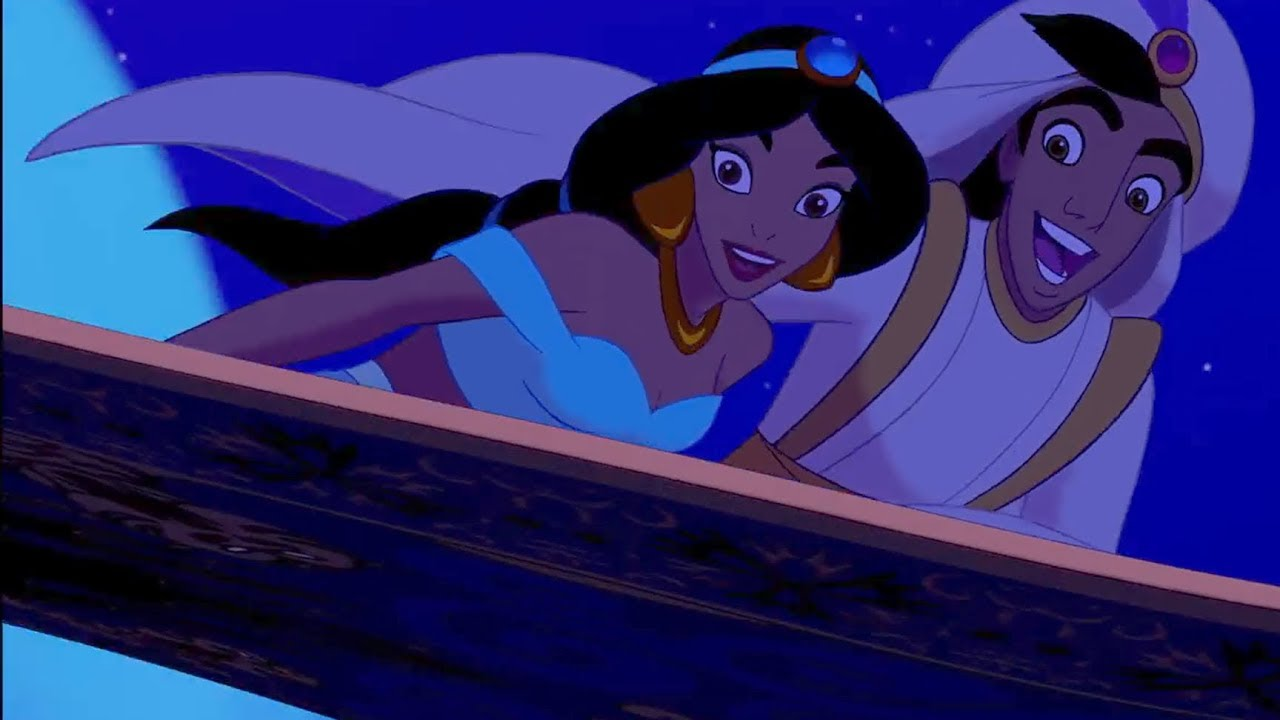
17:25 - "A Whole New World" from Aladdin
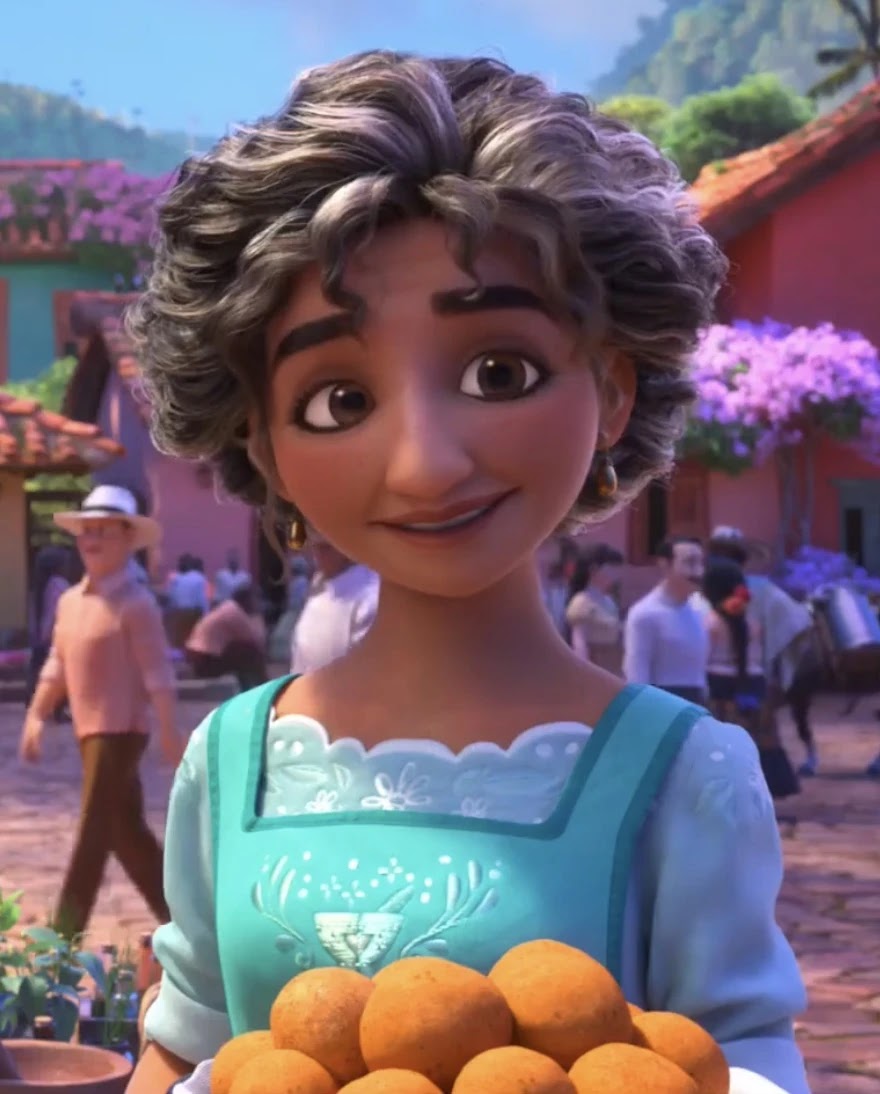
21:39 - "What Else Can I Do?" from Encanto
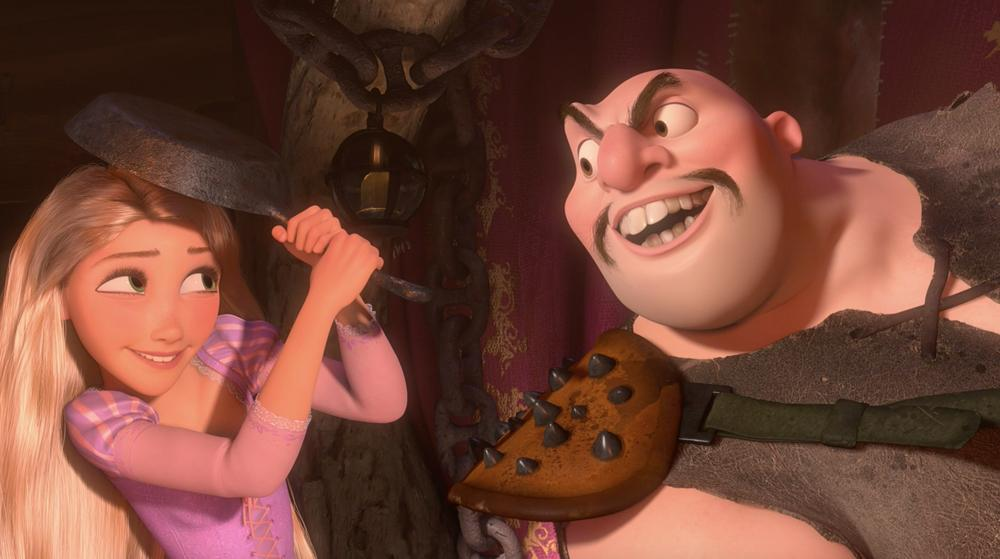
27:21 - "I've Got a Dream" from Tangled
            
"We've Got a Dream!" by Russell
33:27 - "Stand Out" from A Goofy Movie
34:47 - Conclusion


Friday, May 12, 2023

Disney Moms

Last year I wrote a post about Disney Dads and after writing that post I realized that it’s hard to find good fathers in Disney films but I didn't expect finding good Mothers in Disney to be harder.

But it is.

I can already hear you compiling a list in your brain of good mothers, but here is my criteria for a good Mom in Disney films:

1) They live; sorry Bambi’s mom you seem like a great doe

2) They raise their children which would rule out Sarabi from The Lion King because Simba runs away after Mufasa dies

3) Obviously they must be a good parent unlike Mother Gothel in Tangled

4) They must be present in the movie unlike Ariel’s mother, Queen Athena, in The Little Mermaid because we want to know how they parent

With these criteria and having over 1000 films to consider (including short films and TV movies) I have come up with 5 mothers that are great examples to everyone.

Chicha: The Emperor’s New Groove

Since this is the first pregnant woman to appear in a Disney animated film, you bet that she will be the first mother I mention in this list. I think she is a great example of a mother. In the Family Proclamation it states that Mothers nurture their children and sure enough we see Chicha do that.

In the movie we see Chicha showing affection for Pacha in front of their children showing them that they love each other. We see that she involves her children and gives them responsibilities like distracting Yzma from catching up to Pacha and Kuzco. She cares for her family and does hard things while pregnant.

Mrs. Potts: Beauty and the Beast

I don’t know about you, but I have associated Angela Lansbury with having a motherly persona. I believe that came from watching Beauty and the Beast and hearing her voice Mrs. Potts.

When I think of lessons that I could learn from Mrs. Potts I think about how we should be caring and forgiving. When the young prince and the household were transformed into a beast and household appliances those who were in his service could have been upset and stopped working for him because of his mistakes. I would have done that, but Mrs. Potts didn’t. Instead, she was Christlike and showed compassion towards Beast and became a pseudo mother that patiently taught him to become the prince with a heart.

Also, she is shown to have the most kids in a movie (minus 101 dalmatians). She has at least six kids without including Beast.

Julieta Madrigal: Encanto

I think one of the best things about Encanto is the message on family. Julieta Madrigal literally has the touch to make you feel better, after you eat her cooking.

Abuela Alma, the grandmother,  who oversaw and was the matriarch of the household was afraid of Mirabel destroying the house and, as a result, she shunned her from the family while Julieta, who knew about the prophecy, still loved her as a mother should--- telling us that family is more important than magic.

Mirabel may not have any powers and may cause more trouble than the rest of the family, but her mother loves her. How do we know this? Because Julieta sets time to spend time with her and talk with Mirabel as an equal. She tells Mirabel that even though she may not be supernatural, she is amazing. Julieta is a supportive mother that encourages her children.

Lucille: Meet the Robinsons

This is a great example of how you don’t have to be a biological parent to be a great Mother. Usually in animated movies the stepmother is usually evil. Lucille is technically an adopted mother to the protagonist Lewis yet she had a huge impact on him.

Lewis meets Lucille after winning the science fair, Lucille was the judge addicted to coffee. What is great about her is, firstly, she is educated: she is a scientist with a doctoral degree. Secondly, she encourages Lewis to become a great scientist and surpass her. Instead of being jealous of Lewis and his achievements she is supportive and proud of what he has created.

With a family motto of “keep moving forward” and the love that this family has for each other you know that Lucille is a good influence to them.  

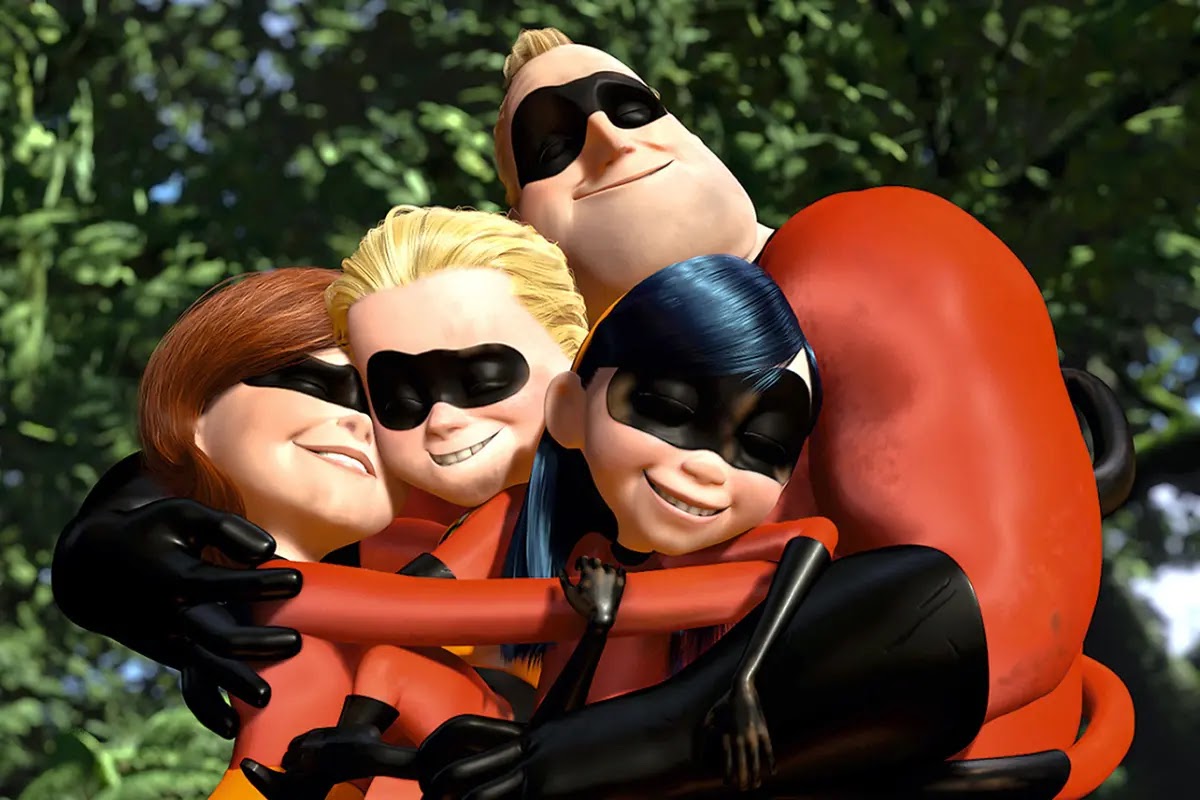
Helen Parr (Elastigirl): The Incredibles

Last, but certainly not least, we have the most flexible parent Helen Parr---an incredible mother and wife. While Bob, Mr. Incredible, goes through a midlife crisis and tries to live in the glory days by being a hero again we see a true hero Helen come to the rescue after Bob is captured by Syndrome.

After, her two oldest children (Violet and Dash) disobey her directions and follow her to rescue Bob. She prioritizes their safety while giving them responsibility. While in the crashing plane she instructed Violet to make a shield. After Violet's failed attempts she risks her life to save her children. When they are on the island, she does her best to keep them hidden while she rescues her husband by herself. She learns from her children that families are stronger together than when they are apart.

Helen is a great example of how mother put the needs of the children above her own and being willing to be taught by them.

There are a few more great mothers in Disney that could have made this list. Maybe next year I can talk about them. 

To all mothers reading this post, Happy Mother's Day.  


“To all mothers in every circumstance, including those who struggle—and all will—I say, ‘Be peaceful. Believe in God and yourself. You are doing better than you think you are.’” - Elder Jeffrey R. Holland

Friday, June 17, 2022

Disney Dads

As Father’s Day approaches, I have noticed that there has been a lot of Father’s Day memes involving Darth Vader. I will admit some of them are funny but do you have to cut off your child arm to become father of the year? If anything, it says a lot about Luke forgiving him and helping him to become a Jedi again. In this post we will look at different Disney fathers that should be recognized more than Darth Vader as this holiday approaches.

Pacha: Emperor’s New Groove

When I think of excellent fatherly characters Pacha comes to mind. He goes out to meet the emperor, Kuzco, to change his mind to keep his family home as well as his villager’s home from being destroyed. Pacha is a hard worker with his duties of being a father, a llama herder, and the leader of his village. Pacha is best described as a family man, his wife and kids love him and his isn’t a dumb dad like most dads portrayed in media in the 2000's. When Pacha met Kuzco he felt that he was a spoiled brat. But when Kuzco became a llama, instead of taking the easy way out and abandoning Kuzco and having Yzma rule, he helped him--- hoping that the emperor’s attitude would change like a father would with a wayward son.

George Banks: Mary Poppins

George Banks loves his kids throughout the movie, but it never registered to his children because of how he showed his love. He wanted his children to become successful so they wouldn’t have financial problems when they become adults, which is what all parents want but his approach was not the best. He wanted them to become so successful that they could not enjoy being children. However, as George's professional life turns upside-down, he realizes the ultimate value of his family and makes real changes in his life. As he walks to his job, in one of the most beautiful scenes in cinema, you see the fear he has about the future but, as his ties to his job are finally cut, we also see the resolve develop within him to make some real changes in his life.

Mufasa: Lion King

Instead of celebrating Darth Vader on Father’s Day how about focusing on another role that James Earl Jones had where he was a sacrificing father, like Mufasa. Mufasa was king of Pride Rock. He had a good work and home life balance teaching his son and being king. He taught Simba to respect all creatures, but also having fun playing games on Zazu. He sets boundaries to protect his son, but also encourages him to explore. When his son disobeyed he reprehends him, but also forgives him. The most notable quality Mufasa has is he sacrificed himself so his son could live.

Mando: The Mandalorian

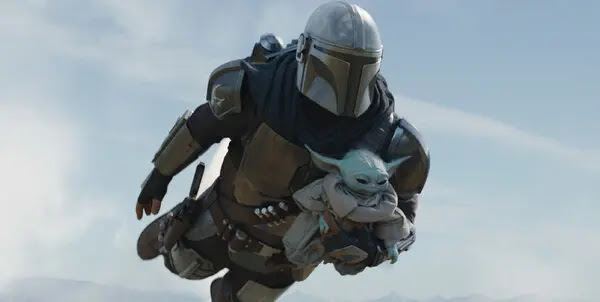
I get it--- you're probably a Star Wars fan and love all the memes that have been generated over the years. Father’s Day is another Star Wars day for you. Well thankfully Disney has created a new unorthodox father in Star Wars, Mando. After he captures and delivers Grogu to his client he goes against the code for bounty hunters and rescues Grogu and essentially adopts him until he finds a Jedi to teach him. When they finally find Luke, it was a sad departure for them because of their relationship as father and son, but Mando wanted what was best for Grogu and lets him leave. Of course, he wouldn’t stop being a father and tries to visit Grogu bringing gifts.

Goofy: Disney

Speaking of unorthodox parents, we couldn’t ignore Goofy: a single father. Goofy may be silly but he is also a wonderful role model for a father. With a teenager going through angst, he manages to show kindness and compassion making him aspirational for fathers. He works a demanding job, so they are financially stable. When his son, Max, is struggling he plans a father-and-son trip to lift his spirits because he cares about Max’s emotional health. He lets his son be an individual and takes interests in Max’s hobbies. He trusts his son completely, he allows Max to choose stops along their road trip. Even when Goofy suspects that Max is changing their road trip destination, he gives Max the responsibility of being the navigator because of that trust. Finally, he pays attention to his son’s feelings and gives him space. If you don’t believe me watch “A Goofy Movie”.

Scott Lang: Ant-Man

When divorce happens it hard for a father to be fully invested in their children. In Ant-Man we see Scott Lang doing his best to be a father while respecting his former wife's boundaries. After being released from jail he wants to be part of his daughter’s life and tries to be law-abiding by working at Baskin Robbins even though he has an engineering degree. He wants to make his daughter proud and be a good example for her. He becomes Ant-Man at first because of his thieving skills, but transitions to being selfless. He helps Captain America and saves Janet Van Dyne from the quantum realm. In Avenger’s Endgame we see Scott come out of the quantum realm to find his daughter aged by five years. We see the depression on his face when he realized how much of his daughter’s life he has missed.

Agustín and Félix: Encanto

This one is cheating a bit because I couldn’t choose which of these fathers to talk about. They are both good examples of being part of their children’s life. Agustín is sympathetic and understands how it feels not belong in the family and tries to comfort his daughter Mirabel when she obtains no magical gift. We see in the movie that he pays attention to all his daughters’ feelings. For example, when Luisa loses her strength and runs away saddened, he chases after her. We don’t know much about Félix, but he is also present with his children and supportive to his wife, presenting a positive attitude even when it rains.

Mr. Incredible: Incredibles

We couldn’t end the list without the most recognized superhero father, Mr. Incredible. After the first movie Mr. Incredible, Bob Parr, learned to keep his selfish interests in check and become involved with his children more. Instead of giving up on helping his son, Dash, on his homework, he learns how the new approach and helps Dash. He also cares about his children’s feeling by helping his daughter, Violet, talk to her crush by taking the family to the diner where he works. It turned out horribly, but he does the most honorable thing a father can do, apologize to his daughter for making things worse.

These are just eight honorable Dads we decided to mentioned in this post, but Disney has produced more decent fathers. Here is a list of honorable mentions.

  • Marlin: Finding Nemo
  • Pongo: 101 Dalmatians
  • James: The Princess and the Frog
  • Carl: Up
  • Geppetto: Pinocchio
  • Héctor: Coco
  • Mr. Potatohead: Toy Story
  • Vision: Avengers
  • T’Chaka: Black Panther

Friday, April 8, 2022

You're the Real Gift, Kid


Let’s talk about Bruno.

I have watched Encanto so many times in the past few months, and most of them WITHOUT my kids. The story is relatable and fresh. The characters are vibrant. The music is … well, LMM is a genius. But I really think that the reason I keep coming back to Encanto is because I identify so closely with Mirabel. I just thought it was because I sometimes feel different, and maybe a little effervescent. But after my last Madrigal Marathon, I realized that there are certain energies at play with more characters than just Mirabel. And this speaks to me.

Abuela wants structure and order. She holds on too tight sometimes. She's not the bad guy, she's not doing anything wrong, she’s not “the villain in your history”. She just wants to hold on to her family. 

Mirabel is shaking things up, finding new purpose, injecting life into her sisters. As she says, she is trying to get others to “open your eyes.” She’s not messing things up, she’s not endangering the magic, she’s not the villain either. Mirabel is never given a gift. Her real gift is empathy and joy and love. The fact that she’s alive is a miracle. 

What they never really address in the film is that Abuela is the only other person who doesn’t have a gift. She can’t do magic, she can’t do any of the things her children and grandchildren can do. Abuela’s real gift is organization and order and a lack of chaos. Abuela’s gift isn’t as flashy as her progeny’s gifts. And it’s not as coveted as Mirabel’s gift. But Abuela’s gift is essential to the household. She is stern, but she needs to be, to keep the family together. But Abuela is also afraid of the future, and so she shuns Bruno. Bruno, who is the literal embodiment of the future. 

Mirabel sings that she wants to heal what’s broken. Abuela says that the family is broken. How does Mirabel heal things? How does she save the miracle? She brings Bruno back and reunites him with his family. She heals the family. She saves the miracle. That act of love and empathy IS the miracle. And when Mirabel brings Bruno back, the first thing Abuela does is hug him. She embraces the future. 

I want to heal what's broken. The gifts I've been given in my life are my empathy, my enthusiasm for life, and my ability to connect with others. I've been broken by trauma over the years, and I'm surrounded by people who are broken for various reasons. As I embrace the future and open my eyes, I see myself, and I can heal what's broken.

Wednesday, March 16, 2022

It's Not Easy being Green

Continuing with our green theme, I want to expand on the idea that Mike wrote about in his Sailor Jupiter post-why are so many villains associated with the color green? 

Well, it depends on the villain. 

The Fires of Envy

When Maleficent unleashes her fury her flames are green. When Scar sings about how he's going to usurp Mufasa the flames around him are a bright lime green. The phylactery (Horcrux to you non-Dungeons and Dragons fans) held by Rasputin in Anastasia pulses with an eldrich green, despite being from hell itself where you think it would glow red. In the case of these charming despots and monsters green is symbolizing the burning envy they feel for the heroes and the world around them. When they need to show that they want what someone else has, they take a match to some copper sulfate and let it burn (Yes that's the actual chemical that can make a fire turn green-try it sometime!)

Envy burns. It consumes. It is a need for something that must either end in the obtaining of it or the destruction of both. Green fire here works well for the analogy since it too burns and gives the audience a decent visual representation of the villain's inner feelings. Let's take Maleficent for example. Her motivation for being the Dame of all Evil is a bit unclear at first glance. She's not invited to a party so she's going to tear the kingdom apart over it (And yes, we're going with the animated Sleeping Beauty here because Maleficent' s intentions in Maleficent are this whole other thing)? If we take her green flames into account we get a far clearer picture of her issue: She wants to be acknowledged as an equal. She's obviously powerful, probably more powerful than the gender reversed Three Stooges we're supposed to like, and yet she doesn't even get a token invite to the party. That's not only rude that's just hurtful. Maybe if she was invited Aurora would've been blessed with something useful, like a personality or basic common sense. Either way she's envious of those who were invited and acknowledged as equals without question. She deserves a seat at the table and is ticked that she didn't get it. 

The Color of Money

Accompanying envy is greed, its lovely wife and business partner. While envy is for something that someone has, greed is a bit less specific in the intention. Greed is what Ursula has when her weird watery smoky hands reach out for Ariel's voice. Greed motivates the Shadow Man as he turns his friends from the other side onto changing Prince Naveen into a frog. Greed  is the look in Lady Tremaine's emerald eyes as she looks at her daughters and imagines manipulating them onto the throne with the Prince instead of her far more qualified and deserving stepdaughter, Cinderella. The villains want something, and while certain characters may have what they want they aren't as concerned with the person as they are with the power they wield, or the person is just a stepping stone to their true goal. 

Take Ursula, who we know has an obvious beef with Triton (In the play they're brother and sister and there was this whole inheritance dispute thing but we'll go with the movie for clarity sake though totally listen to the play's soundtrack). Ursula isn't jealous of Ariel, she doesn't want to be Ariel. She's a bit more jealous of Triton, but her real goal is to take what she feels she deserves, the triton. Ariel and her father are just stepping stones to getting her hands on it, especially since the first thing she does with it is start causing widespread mayhem throughout the harbor. She could've easily killed Ariel and Triton, but just toyed with them because her ultimate goal was momentarily accomplished. 

Horrifying Power

Now we've got to talk about Bruno (You see what I did there?). His future sight is seen as green energy swirling through sand, while his eyes glow green just like a villains. If you didn't know who he was or what the plot of the movie was you could easily see his color scheme and mistake him for a villain, but instead he's not. The green here indicates that his power is dangerous magic, something that isn't fun or playful like growing flowers or making healing empanadas. It's gazing into the shifting future and trying to interpret fragments of signs before they happen. 

Here green indicates dangerous power, similarly to Maleficent' s flames and Ursula's smoky hand trick. Another more interesting example is Cruella De Vil, in the animated 101 Dalmatians. When she walks into the Darlings home she's seen smoking a cigarette with green smoke drifting around her. The smoke is sickly and is different from when Roger smokes his pipe-which has black and grey smoke. Hers is the indication that her presence is something foreign, something so different to the Darlings that she obviously doesn't belong. Even her cigarette can't behave like everyone else's because she is not like anyone else around her, especially in morale, and that makes her scary. 

Visual Shorthand

A quick technical note about why green is used so often has to do with coding. It was mentioned before that green has the connotations with greed, sickness and envy, and that's something that most Western audiences would know when they walk into the theater. Films have only so long to get across different ideas, character motivations, ideals, plot elements etc. and will often rely on visual clues to help the audience know who everyone is without having to go into a lengthy backstory if they don't need to. Is your villain envious or greedy? Give them something green to show that off, preferably flames because they look cool, especially in a dark lair or at night when they're doing evil deeds. Need to show that the magic is otherworldly and powerful? Color it lime green like the entire thing is sponsored by Cricket, that'll show that what the characters are messing with isn't of this world. 

Green: It's not just for leprechauns. 

-JOE

Wednesday, January 19, 2022

All of You - The Song from Encanto that Makes Me Cry

I'll stop talking about Encanto when it stops being awesome. 

Let's talk about the part that makes me feel the most feelings. 

Mirabel's Journey

Mirabel hit a note being the forgotten family member. She is the muggle of her family with no special gift and the rest of the family just doesn't know how to treat her. Mirabel's parents try to be supportive and understanding, to the point of being #Lifegoal parents, Abuela and Isabela treat her like the bumbling household servant, and the rest of the family mostly ignores her. 

Our first emotional hit was during the opening song The Family Madrigal.

The entire town knows her family has gifts and that Mirabel does not. They try to make her feel better about it but she still has to get asked questions like "What's your gift?" and "Why didn't you get a gift?" reminding her constantly that, no matter what, she is the oddball in everyone's eyes. Mirabel doesn't let this sour her to her family though as she is enthusiastic to help anyway she can with the party that night, and talks up her family to everyone in town (though she does subtly throw Isabela under the bus in her song). 

Our second hit was in the family photo during Antonio's gift party, when without realizing it she's excluded from the family picture. Nobody actively tells her not to be in it, they just get caught up in the excitement of the moment. I would think though that if Luisa was busy eating they would've grabbed her, but nobody said a word to Mirabel. 


We can tell despite her brave face that she's in pain. The show's second song Waiting on a Miracle shows that she more than anything wants to be like them and prove her worth to the family, which is probably why she is constantly going around being extra whenever she can and takes on the quest to save the family's magic. 

You're wondering when we'll get to the song and we're getting to it. 

Fast Forward to the Song

So Mirabel runs around, the house gets wrecked, Luisa, Isabela and Bruno each get songs, something about a butterfly and a candle and we get to Mirabel rallying the now de-powered and de-toxified family to rebuild the house and we get the song: 


And here's what makes me cry: 

We see how bright you burn
We see how brave you've been
Now, see yourself in turn
You're the real gift, kid, let us in

Mirabel goes through a massive pile of nonsense for her family, all the while being ignored or demoralized by the same family. On top of that, ever since her magic door ceremony, she has had to put on a brave face and do everything she can to live up to them, and now, finally, she is being acknowledged for the amazing person she is. Her family sees all that she's been through and honors her for everything she's done. 


For those who feel marginalized, who feel like the outsider, or who are trying to live up to a legacy and feel like they aren't making it, this simple acknowledgement of being seen can mean everything in the world. It can mean the difference between continuing a toxic family pattern or creating a healthy family. It can sometimes even mean the difference between life and death. 

Mirabel is given a doorknob that matches her magical family's magic doors. They have no intention of the magic coming back, but it's symbolic to her. The special gift Mirabel always had was the ability to unite her family, not just physically but emotionally, all by being there for those that need her and being herself, without any magic. 

Cue Joe ugly crying. 

-JOE

Monday, January 3, 2022

How Encanto Destroys the Mean Girl Trope

I'd do a basic review of Disney's Encanto but that's boring. Gist of it the film is beautiful, the music is phenomenal and I've already started doing fan art. 

Okay so let's talk about mean girls. 

Beware: They be spoilers ahead. 


Mean Girl Poison Ivy

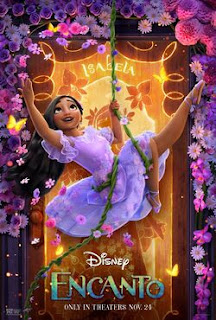
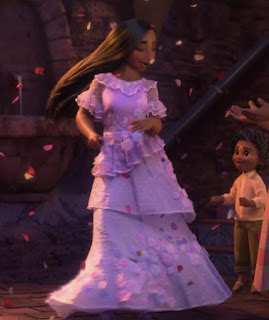
So in Encanto we're introduced to Isabela Madrigal early on, sister of the protagonist Mirabel. From the start we see that the two have a not-so-friendly sister relationship. Isabel is beautiful, graceful and has the power to grow plants, which she uses to make flowers appear everywhere she goes, including Mirabel's face. She flips her hair and shoots snide comments to her sister, and her main goal seems to be to marry the town hunk. 

Very quickly I picked up that this character was yet another Mean Girl, the same as Regina George from the titular Mean Girls or Cordelia Chase from Buffy the Vampire Slayer. These are shallow antagonists, sometimes either in the sidelines or cast as main villains who are pretty and who only care about either popularity, getting or keeping a man, or getting vengeance on the main character for some slight. They're portrayed as stupid, vain and overall obnoxious. In most stories their big comeuppance comes with them either losing said boyfriend or having something gross spilled on them, ruining their pretty dress. 

Seeing this trope so many times I dismissed Isabela as just another character, white noise to add to the family dynamic and thought little of her. Until the song...

What Else Can I Do? 

In the course of the film, Mirabel discovers through prophecy that in order for her to save her family she has to hug her sister Isabela, a prospect she does not look forward to considering their current relationship. During an earlier scene Mirabel was partially responsible for ruining a family dinner party with Isabela's hunky boyfriend, which was supposed to end in a proposal, so Isabela is especially unhappy with Mirabel at the moment. Mirabel, determined to save the family, marches into Isabela's room and tries to get that hug. 

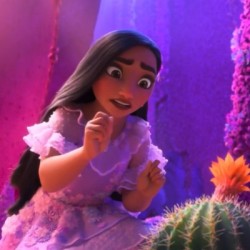
The room is covered in flower blossoms and Isabela's bed is suspended from the ceiling by vines she controls. It's the girliest thing since the original My Little Pony series only somehow less subtle. She tries to throw Mirabel out via vines when Mirabel starts challenging her about being perfect, temporarily giving up on the hug-my-sister-to-save-the-family plan. It's when Isabela starts to truly get mad, not flippantly annoyed but actually mad, that she accidentally makes a cactus. 

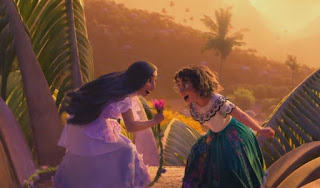
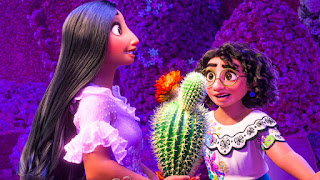
The two sisters look surprised at the spiny addition to the room, and then Isabela breaks out into song. Apparently with all her power all she'd ever done was make flowers and vines grow, she had no idea she could effect other plants or make something that's not a traditionally pretty flower. This is where the mean girl trope spins on its head when we get insight into Isabela's so-called perfection: She feels like she has to be because that's what's best for the family. 

Expectation vs Possibility

Certainly this isn't the first time we've peeked between the mean girl's façade. Cordelia started off as the basic valley girl in Buffy and became a main character both there and in the spinoff Angel, both where we learn that she was only a brat because she wasn't taught how to be anything else. Isabela gives us a far deeper reason for the mean girl: Insecurity. Like the rest of the Madrigal family, Isabela is trying to live up to her Abuela's expectations, and since her power is to make things pretty that's what she thought she had to be. When she made the cactus, she realized that beauty can be her own terms and starts further experimenting with her powers creating even more beautiful plants and flowers. At one point in the song Mirabel explains how she thought she was always perfect and secretly resented her for it, but Isabela is able to confide in Mirabel that she wasn't really happy, but now that she doesn't have to wear a mask for her true feelings, she finally can be, thanks to Mirabel. 

Ruined Dress


I mentioned before that one of the common ends for a mean girl is to have something gross dumped on them, spoiling their perfect look and making for a comedic ending. Once again Encanto flips this trope over by having Isabela conjure plants with colorful pollen, which she then VOLINTARILY gets on her clothes and hair, ruining her pretty pink dress. In the end of the song her and Mirabel are covered in color from the plants, a complete mess, and smiling happily. The sisters finally embrace in the mess they've made, allowing each other to be their imperfect selves and loving each other for it instead of in spite of it. Isabela ruining her dress on purpose shows her breakneck growth as a character. She's not trying to be perfect and is now embracing all imperfections, which allows her to have a relationship with her sister, who she considered the black sheep of the family. 

Isabela Madrigal isn't all mean girls. Her story can't apply to Regina George or Cordelia Chase, but it does give us a more human understanding as to why the mean girl is mean and what she's hiding underneath that carefully manicured perfection. 

-JOE

"What else can I do?"